Rainwater Tank Installation in Everton Hills
Rainwater tank installation Everton Hills homes rely on starts with one hard rule: the connection into the house is licensed work. A licensed plumber runs the line from the tank to the toilets and the laundry, and that is where Local Everton Hills Plumbing comes in.
If we're late, $100 comes off your bill

- Licensed and InsuredEvery job done by a licensed plumber. QBCC No: 15024607
- Fixed Quote FirstFlat-rate pricing, agreed before any work starts
- Lifetime Labour WarrantyBacked by our Fix-It-or-It's-Free guarantee (T&Cs apply)
- $0 Call-Out FeesNo extra charge for nights, weekends or public holidays
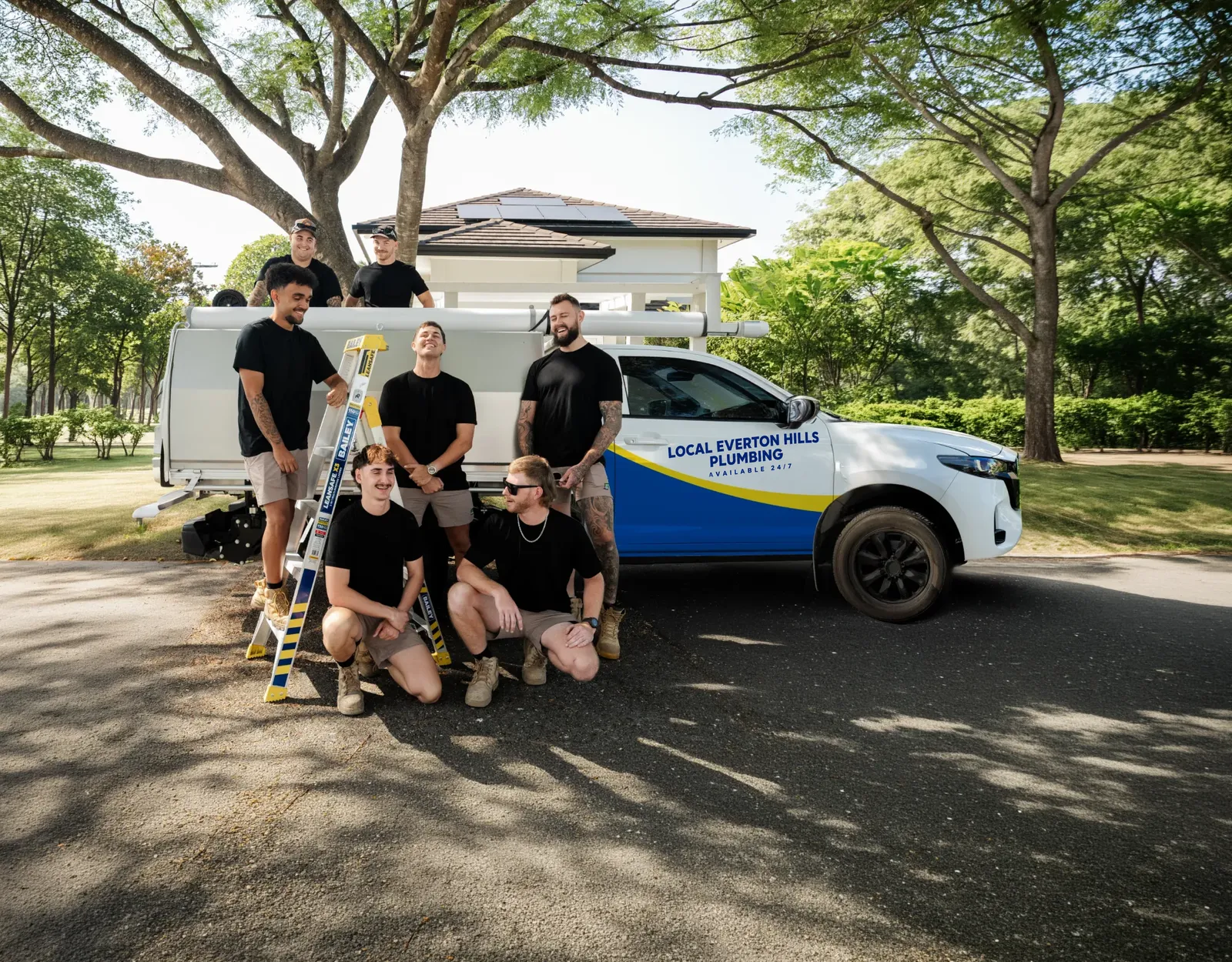
We work across the suburb and the streets around it, from acreage blocks on the western side to the detached brick houses built through the 1960s to 1980s. Average yearly rainfall sits near 1,048 millimetres, so a tank fills often and the plumbing behind it has to be right. Start with our Everton Hills overview for the full run of work we do here.
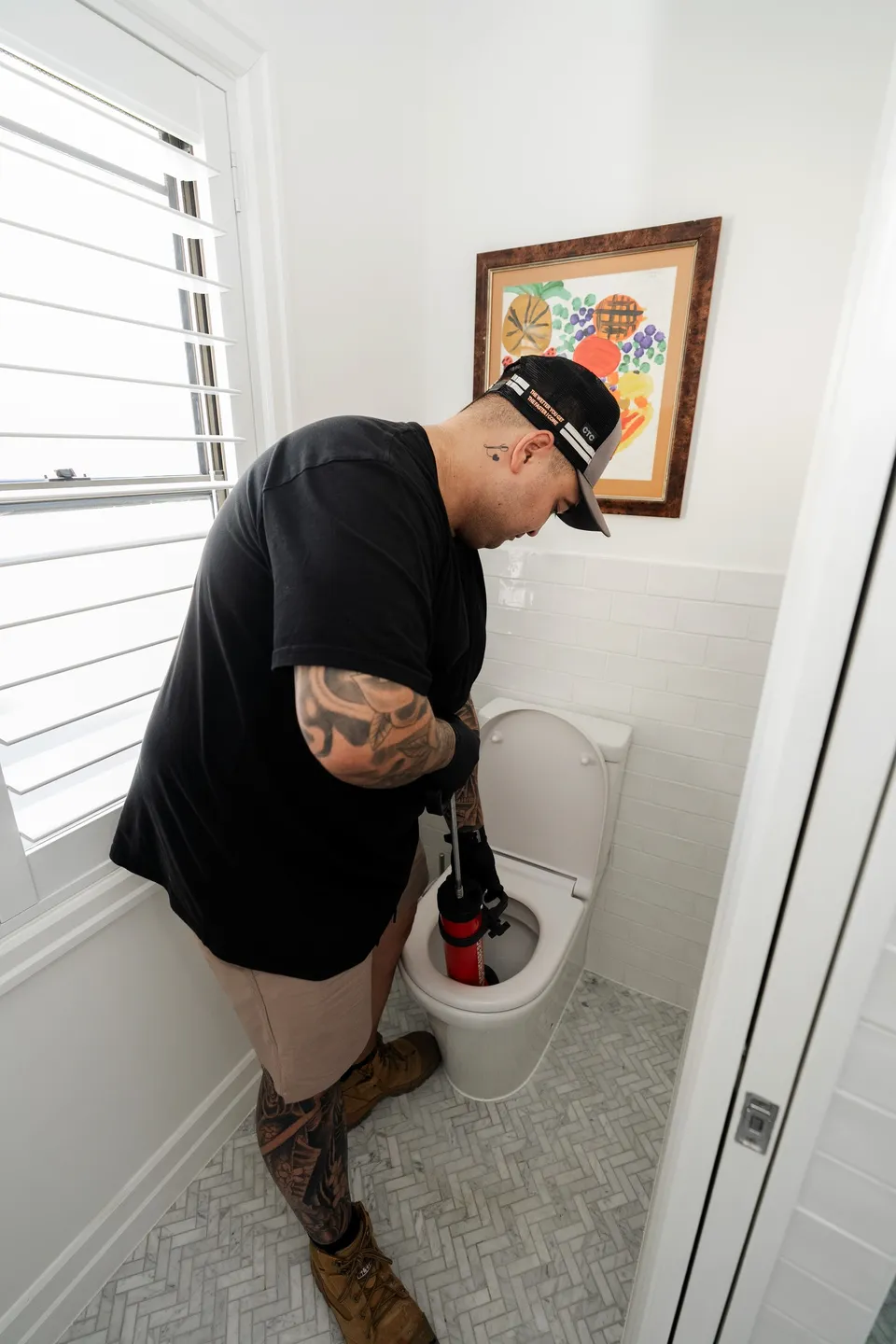
Parts of a Tank Plumbing System
The run goes roof to tap in a set order: rain leaves the roof, passes a first flush diverter, then drops through a screened inlet to the tank. Downstream, a plumbed outlet carries stored water to the cisterns, the washing machine's cold fill and the garden, and a licensed plumber makes every connection on the house side.
The pieces we fit and check include:
First flush diverters
they tip out the opening burst of roof water, with its dust and leaf litter, before it reaches the stored supply.
Screened inlets
mosquito-proof mesh where the water enters, so nothing breeds in the stored water.
Plumbed outlets
the line from the tank outlet to the cistern, the laundry cold tap and the garden.
Overflow ties
the council's stormwater connection requirements, which we handle as part of an approval-ready install.
Tank water never meets the drinking lines. Split or weeping pipework near a tank goes to our water pipe repairs work, quoted on its own faults.
Council Rules for Tanks in Everton Hills
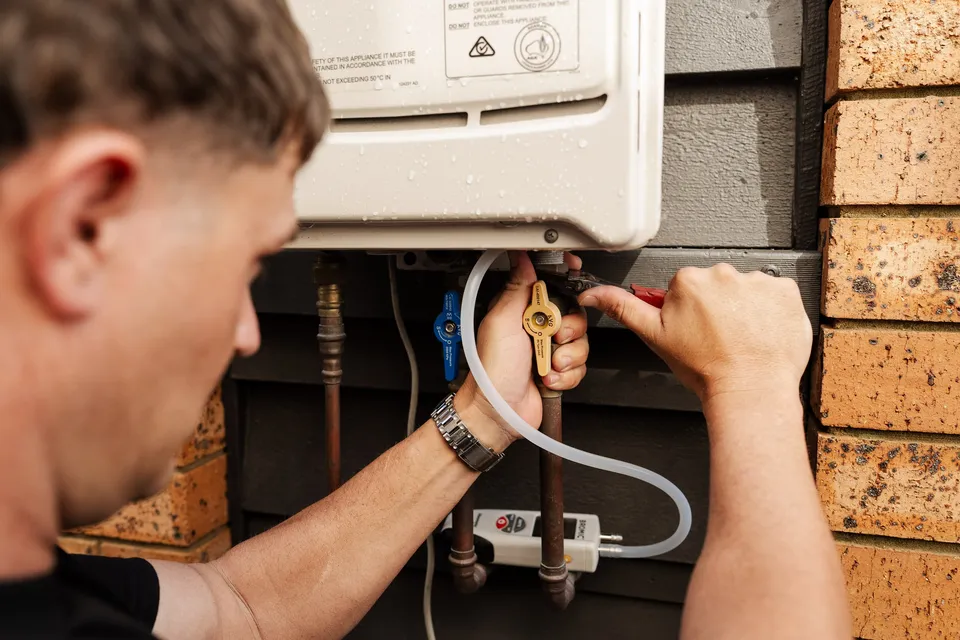
Your council decides the tank before it arrives. Moreton Bay regulates tanks through its building and plumbing approvals, so the council is the first call before anything is ordered.
A few points shape what the approval looks like:
Approvals
depending on size and position, a tank may need planning, plumbing or building approval.
Position on the block
some areas keep tanks a set distance back from the side boundary, so where the tank stands matters.
Extra conditions
mesh screens, a stormwater tie and a diverter may all attach to the approval.
Acreage room
the larger western-side blocks give more placement choices, but the approval path stays the same.
We build to those rules as we go, so the finished job passes the council's checks rather than needing a fix-up.
Tank Water and the Drinking Water Rule
Tank water belongs in the cistern, the laundry and the garden, not the glass. Roof-harvested rainwater flushes toilets, runs a cold wash and waters lawns without extra treatment, because those jobs carry little disease risk.
Drinking water is a different question. A household drinks, washes and cooks from a tank only where town water does not reach the property, because a reticulated supply is safest for those uses.
Two more rules follow from that:
Separation
the tank line and the drinking line stay apart, with the right fittings at every junction.
Filters are separate work
questions about filtered drinking water go to our water filter installation service, not the tank.
One trap worth knowing: check that the tank is not quietly topping itself up from the town supply. A worn solenoid can bleed water into the tank for months, and Unitywater's concealed-leak adjustment does not cover water lost that way. We check that valve whenever we attend a tank.
First Flush, Screens and Tank Upkeep
Three clocks keep a tank working: the diverter every three months, the mesh, valves and roof every six months, and the sludge every two to three years. A tank that lets mosquitoes breed can draw a fine on the spot worth up to three penalty units.
The six-monthly round covers more than the mesh:
Sediment sits on the longest clock: if sludge coats the tank floor, siphon it out or drain the tank empty. A pump lifts stored water to the fixtures on most setups, and our water tank pumps page covers that side of the system.
- 1

Mosquito screens and flap valves
look for tears and holes, and mend them straight away.
- 2

Roof debris
clear leaf and plant build-up, and prune branches over the catchment. The clearing stays with you, since roof work is not ours to do.
- 3

Animal entry
check for signs of creatures getting in, and close any gap they found.
- 4

Mesh spec
gauze of stainless or brass, copper or aluminium, mesh one millimetre or finer, fitted so it cannot speed corrosion nearby.
Plumbing job in Everton Hills?
$0 call-out fees, available 24/7, and same-day where we can.
How a Tank Job Runs
- 1

Tell us what's happening
Call (07) 3523 6417 or send the form with a few details about the problem in Everton Hills. A clear description helps us bring the right parts.
- 2
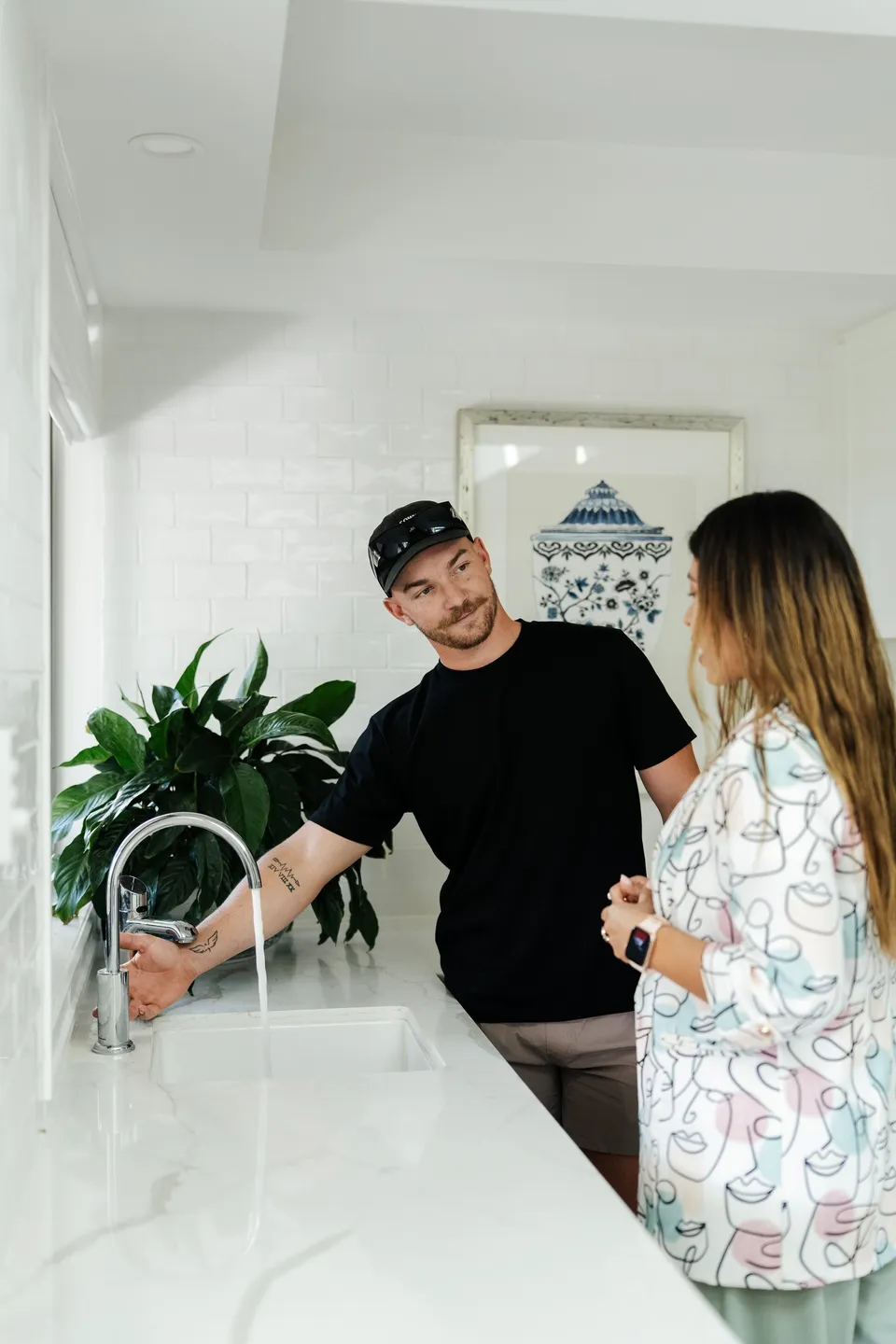
We scope the tank and the run
We measure the pipe run between tank and house, check the inlet screens, and confirm which fixtures the tank will feed before anything is priced.
- 3
Approve a fixed price
You get a fixed quote before any work starts, with flat-rate pricing and no hidden fees. Nothing goes ahead until you say yes.
- 4
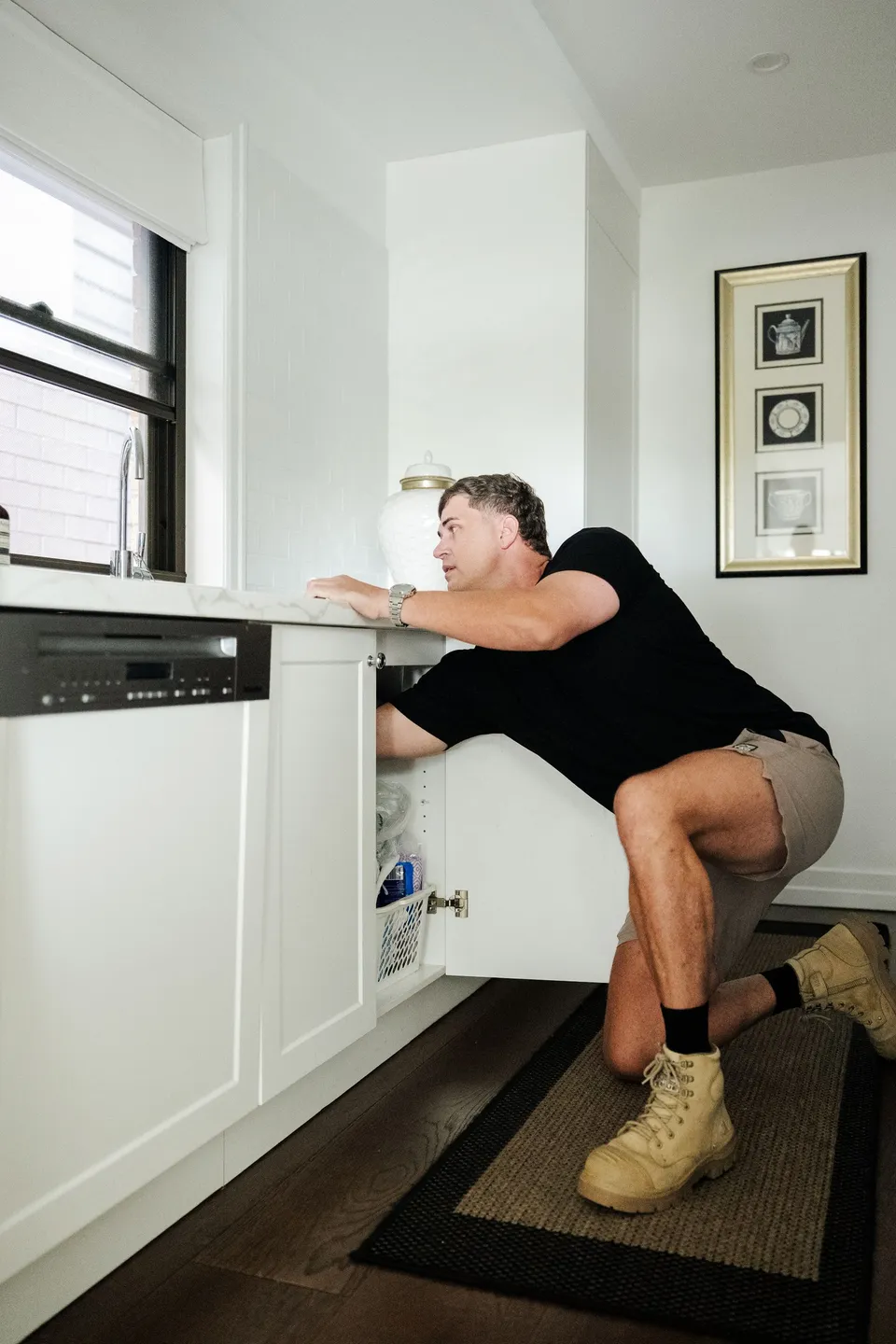
Pay when it's finished
Pay by card or EFTPOS on site once the job's done, or ask about Fix now, pay later.
Rainwater Tank Questions
Call (07) 3523 6417Can I connect my rainwater tank to the toilet myself?
No, that connection is licensed work. Running tank water to a cistern or a laundry cold tap in an Everton Hills home is regulated plumbing in Queensland, so a licensed plumber does the job. A tank beside the shed feeding the garden hose is yours to fit.
What can I use rainwater from a tank for?
Flushing toilets, washing clothes, and watering the garden. Roof-harvested rainwater handles those jobs without extra treatment, because the disease risk stays low. Drinking, cooking and washing hands belong on town water, which stays the safest choice for those uses.
Do I need a first flush diverter on my tank?
Yes, in most cases. The diverter catches and dumps the first rush of water off the roof, so the dust and leaf litter it carries stays out of the tank. Moreton Bay lists a first-flush fitting among the requirements that may apply to an Everton Hills tank, so we fit one whenever the council asks.
How often should my rainwater tank be checked?
A tank runs on three check dates. The diverter gets a clean every three months, the screens, flap valves and roof come up every six months, and the sludge check sits on the longest cycle. Check the top-up solenoid too, because Unitywater's concealed-leak adjustment never covers water lost into a tank through faulty plumbing.
Does my rainwater tank need mosquito screens?
Yes, on every opening. Overflow pipes included, each one gets screening that stops mosquitoes, with gauze of brass, copper, aluminium or stainless steel at one millimetre mesh or finer. A tank that breeds mosquitoes costs the owner a fine issued on the spot, worth up to three penalty units.

Call Us About Your TankWe'll call you back.
Call (07) 3523 6417 to book a plumber in Everton Hills. We're available 24/7, with $0 call-out fees, flat-rate pricing and same-day where we can.
To claim your $0 call-out fee, call (07) 3523 6417 today.