Bathroom Renovation Plumber in Everton Hills
A full strip-out or a one-fixture refresh, every Everton Hills bathroom reno runs through the same plumbing stages. As a bathroom renovation plumber Everton Hills renovators can call on, we handle rough-in, fit-off, fixture moves and the Form 4 paperwork. Every job is done by a licensed plumber.
If we're late, $100 comes off your bill

- Licensed and InsuredEvery job done by a licensed plumber. QBCC No: 15024607
- Fixed Quote FirstFlat-rate pricing, agreed before any work starts
- Lifetime Labour WarrantyBacked by our Fix-It-or-It's-Free guarantee (T&Cs apply)
- $0 Call-Out FeesNo extra charge for nights, weekends or public holidays

Our bathroom plumbing work covers repairs, replacements and full renovations. This page is about the renovation side.
Where the Plumber Fits Among the Trades
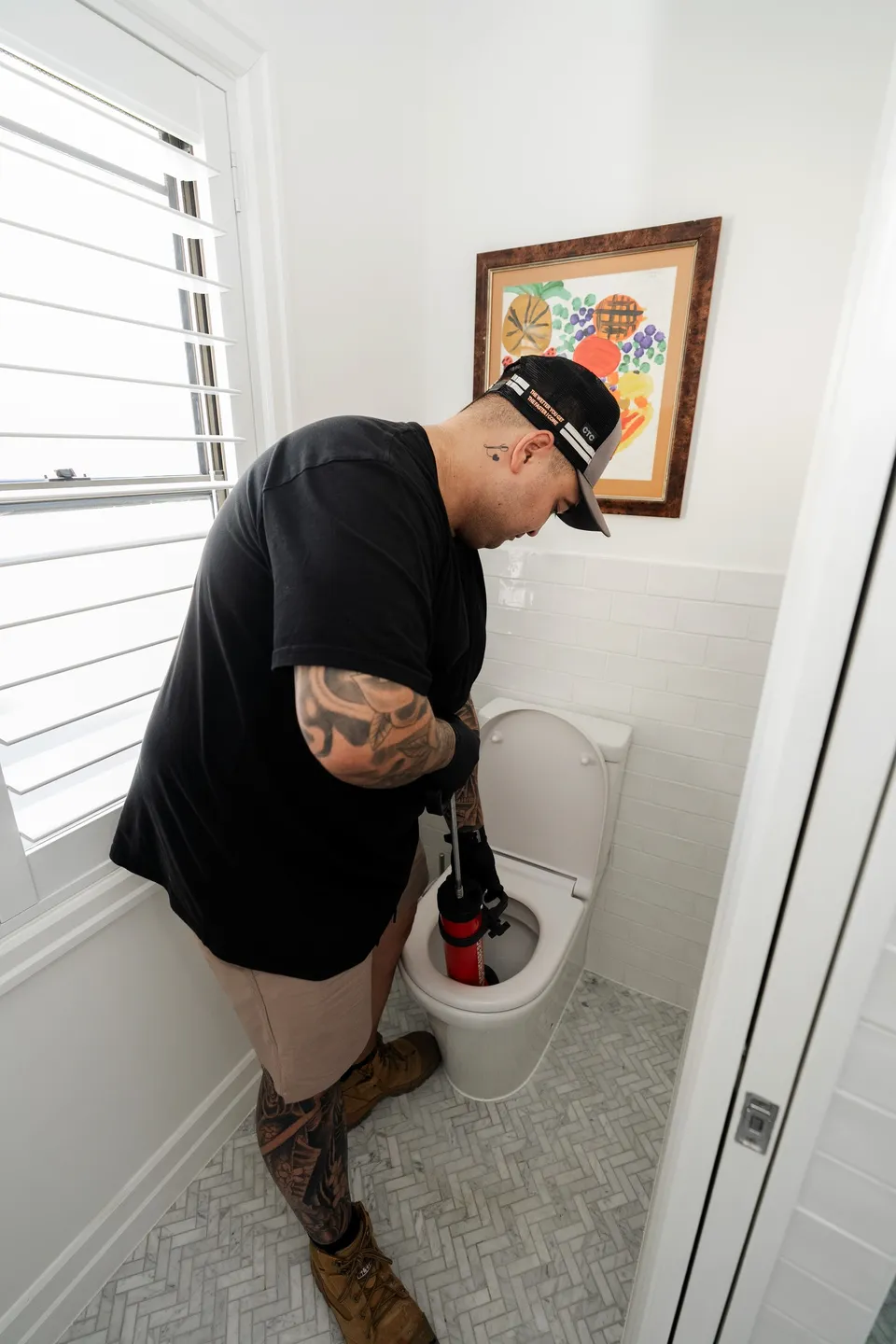
A renovation runs through six plumbing stages: assess, strip out, rough-in, fit-off, test and notify. The plumber is first on the job and last to leave it.
Here is what each stage involves:
Assess
we check the pipes already in the wall and under the floor, and plan where the new fixtures will sit.
Strip out
the old tapware, cisterns and fittings come off, and the lines are isolated so demolition can proceed.
Rough-in
we run the new supply and waste pipework in behind the linings, before plaster and tiles go on.
Fit-off
we connect each fixture and the tapware after the tiler and the cabinet maker finish.
Testing and handover close it out. The new lines go under a pressure test, every joint gets checked for leaks, and each fixture runs before we call it done. Then the Form 4 tells the QBCC the work happened.

What Decides Whether a Fixture Can Move
Yes, most relocations are doable when the drain sits close enough, the floor can be opened, and the waste line holds enough fall for water to run away. All three get checked before the strip-out begins, because they decide whether a move is an easy shift or a big dig.
The drain sets the biggest limit. A pan wants to sit near where its waste line enters the ground, or the run needs a long, steady grade.
Floor structure matters just as much. On a slab, shifting the drain may mean chasing through concrete; on a timber floor, the joists set the boundaries of what is possible.
Fall is the quiet one. Waste water needs a continuous downhill run to the sewer connection, and a fixture pushed too far from the drain can lose it. Shifting a fixture counts as notifiable work, so the Form 4 comes with it.
Rules That Shape Your Fixture Choices
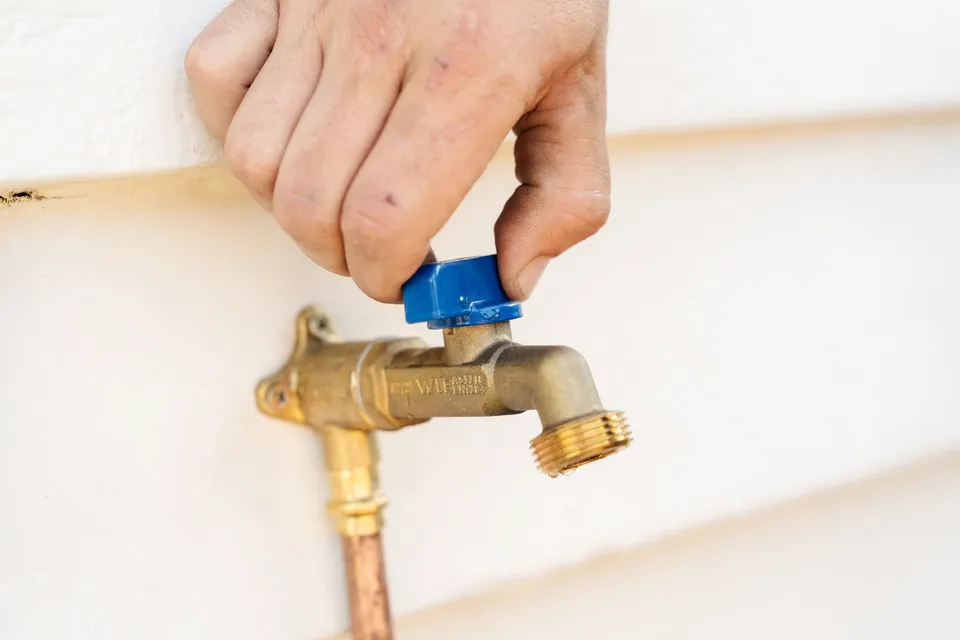
Taps, showers and toilets for the reno all need WaterMark certification plus registration with the water-efficiency rating scheme (WELS). WaterMark shows the product meets the plumbing standards; WELS rates how much water it uses per flush or per minute.
Two points catch renovators out:
Star minimums
the 4-star toilet, 3-star shower and tap minimums apply to new dwellings only, so a renovation is free to pick lower.
Hot water temperature
putting in a fixture meant mainly for washing people triggers a temperature control device, so the hot water reaching the tap stays at 50°C or below.
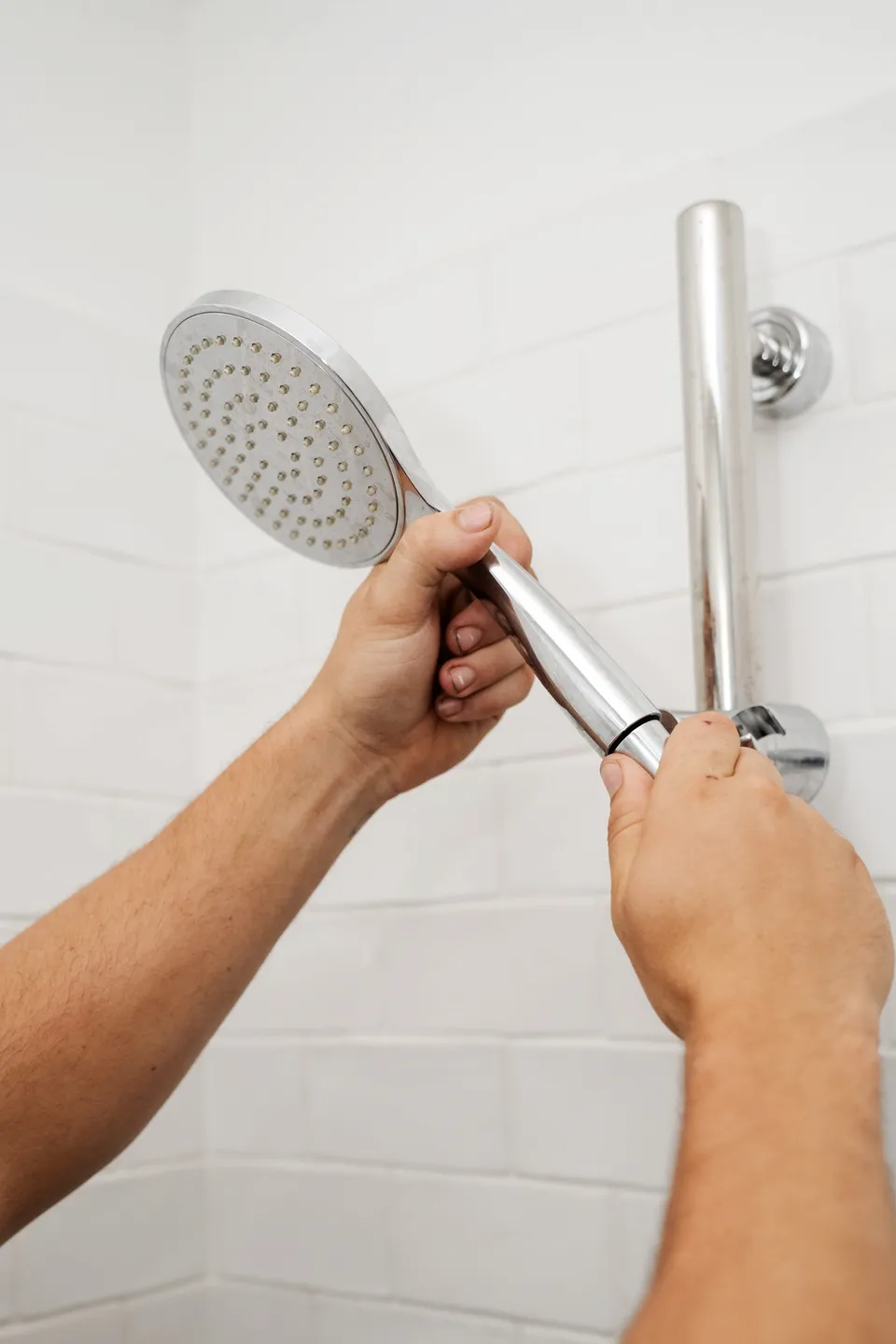
Replacing a shower head or a washer alone skips that temperature rule. Installing the fixture for the first time does not.

What Drives Renovation Plumbing Cost and Time
The price turns on four things: fixtures shifted, the state of the old pipework, how tight the access is, and the paperwork. We quote all of it fixed before work starts.
Fixtures that stay put skip the new pipe runs, jointing and drainage work; each relocation adds them.
Pipe condition bites hardest in older homes. A line opened behind a 1970s wall is worth renewing while it is exposed, before the tiles and cabinetry close over it again.
Access and paperwork round it out. Tight subfloors cost more to work in than open rooms, and the Form 4 lodgement fee may be passed on to you with the admin costs around it.
What Happens After the Plumbing Is Finished
Renovation plumbing on a standing home is notifiable work: a licensed plumber does it, no council permit applies, and a Form 4 goes to the QBCC. We lodge it within 10 business days of finishing.
Who gets a copy matters. You do, if you engaged us, or the builder or agent who booked the work if it was not you. Owners can also ask the QBCC directly.
A few rights worth knowing:
- You can check licence and Form 4 status on the QBCC's online registers for your address.
- Moreton Bay council will send an inspector on request, whatever stage the job has reached.
- If the finished work looks unlicensed or faulty, tell us first; the QBCC takes complaints we cannot sort out.
The Blocks We Renovate On
The strip-outs around Pimelea Street and Collins Road are mostly original 1960s to 1980s rooms, so the pipes behind the tiles are as old as the walls. That era has a second wrinkle: most homes built in Queensland before 1990 contain some asbestos, so the strip-out needs extra precautions.
The slopes help and hinder at once. House drains drop fast toward the creek corridors, which gives the new waste lines good grade to work with, and the flattening near the street connection is worth fixing while the floor is open.
If the reno stops short of a full strip-out, see our shower repairs work, or read up on vanity and basin installation before you pick your fixture.
How a Renovation Job Runs
- 1

Tell us what's happening
Call (07) 3523 6417 or send the form with a few details about the problem in Everton Hills. A clear description helps us bring the right parts.
- 2

We measure and mark the room
For a renovation, the visit covers measuring the room, tracing the supply and waste already in place, and marking where each new fixture will sit. The old fittings come off carefully so the walls and floor stay ready for the trades who follow.
- 3
Approve a fixed price
You get a fixed quote before any work starts, with flat-rate pricing and no hidden fees. Nothing goes ahead until you say yes.
- 4

Pay when it's finished
Pay by card or EFTPOS on site once the job's done, or ask about Fix now, pay later.
Plumbing job in Everton Hills?
$0 call-out fees, available 24/7, and same-day where we can.
Bathroom Renovation Questions
Call (07) 3523 6417Do I need a licensed plumber for a bathroom renovation in Everton Hills?
Yes, because plumbing work on a bathroom in an existing Queensland home is notifiable work reserved to a licensed plumber. Council approval isn't part of the process; we notify the QBCC on a Form 4 once the job wraps up.
What is a Form 4 and who receives a copy?
A Form 4 is the notice that tells the QBCC notifiable plumbing work was carried out. We lodge it within 10 business days of finishing and hand a copy to the property owner, or to whoever booked the work. Owners can also request a copy from the QBCC.
How long does renovation plumbing take in Everton Hills?
Rough-in and fit-off set the shape of the job, with the other trades between them. Moving a toilet or opening up a floor adds time. Your fixed quote maps the sequence and the visits it needs.
How much does bathroom renovation plumbing cost?
Four things set it: how many fixtures shift, the age of the pipework, the working room, and the Form 4 lodgement fee, which the plumber is allowed to recover from the owner. Every driver is listed in your fixed quote before we start.
Is there an asbestos risk when renovating an Everton Hills home?
Yes, most homes built in Queensland before 1990 contain some asbestos, and this suburb's stock is largely 1960s to 1980s. Renovating a house with asbestos needs extra precautions and may cost more, so tell us the build year early.

Call Us About Your Bathroom PlansWe'll call you back.
Call (07) 3523 6417 to book a plumber in Everton Hills. We're available 24/7, with $0 call-out fees, flat-rate pricing and same-day where we can.
To claim your $0 call-out fee, call (07) 3523 6417 today.